


Hey there! As a supplier of Medical Use Pressure Gauges, I've often wondered if there are different standards for these crucial devices in different countries. It's a question that's not only important for us suppliers but also for healthcare providers and patients around the globe.
Let's start by understanding what medical use pressure gauges are. These are specialized instruments used to measure pressure in various medical applications, such as in anesthesia machines, ventilators, and blood pressure monitors. They play a vital role in ensuring the safety and effectiveness of medical procedures.
Now, the big question: Are there different standards? The answer is a resounding yes. Different countries have their own sets of regulations and standards when it comes to medical devices, including pressure gauges. These standards cover a wide range of aspects, from design and manufacturing to performance and safety.
In the United States, for example, the Food and Drug Administration (FDA) regulates medical devices under the Federal Food, Drug, and Cosmetic Act. Medical use pressure gauges are classified as medical devices, and they must meet certain requirements to be legally marketed in the country. These requirements include pre - market approval or clearance, depending on the risk classification of the device. The FDA also conducts regular inspections of manufacturing facilities to ensure compliance with Good Manufacturing Practices (GMP).
Over in Europe, the situation is a bit more complex. The European Union (EU) has a harmonized system of regulations for medical devices, known as the Medical Device Regulation (MDR). Under the MDR, medical use pressure gauges must comply with a set of essential requirements related to safety and performance. Manufacturers need to obtain a CE mark, which indicates that the product meets EU requirements. The MDR also places a greater emphasis on post - market surveillance, meaning that manufacturers have to continuously monitor the performance and safety of their products after they are on the market.
In Asia, countries like Japan and China also have their own regulatory frameworks. Japan's Pharmaceuticals and Medical Devices Agency (PMDA) regulates medical devices, and pressure gauges need to meet specific Japanese standards. China, on the other hand, has the National Medical Products Administration (NMPA), which sets strict requirements for medical device registration and approval.
So, why do these differences exist? Well, each country has its own healthcare system, culture, and legal environment. These factors influence the development of regulatory standards. For instance, some countries may place a higher emphasis on patient safety, while others may focus more on promoting innovation in the medical device industry.
As a supplier, these differences can pose both challenges and opportunities. On the one hand, it means that we have to invest more time and resources in ensuring that our products meet the specific requirements of each market. We need to conduct different types of tests and obtain various certifications. On the other hand, it also allows us to offer more tailored solutions to our customers. By understanding the unique needs of each country, we can develop products that are better suited to their local healthcare systems.
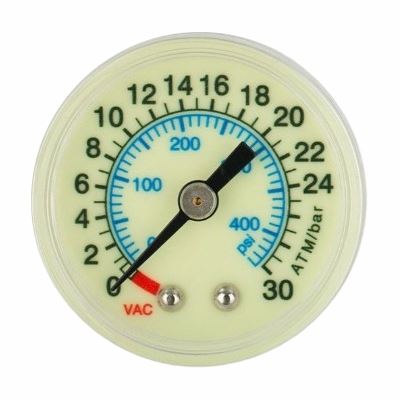
Let me tell you about some of the products we offer. We have a 30 ATM Pressure Gauge for Medical Balloon, which is designed for use in medical balloon applications. This gauge is built to withstand high pressures and provides accurate readings, which is crucial for procedures like angioplasty.
Another product is the Medical Balloon Pressure Gauge Back Connection. This gauge is specifically designed with a back connection, which makes it easier to install in certain medical equipment.
We also have a General Medical Pressure Gauge, which can be used in a wide range of medical applications. It's a reliable and cost - effective option for healthcare providers.
When it comes to dealing with these different standards, we have a team of experts who are well - versed in the regulatory requirements of different countries. They work closely with our R & D department to ensure that our products are compliant. We also have a quality control system in place to monitor the production process and make sure that every gauge meets the highest standards.
If you're a healthcare provider or a distributor looking for high - quality medical use pressure gauges, we'd love to hear from you. Whether you're in the US, Europe, Asia, or anywhere else in the world, we can work with you to find the right products that meet your local standards. We understand the challenges you face in the healthcare industry, and we're committed to providing you with the best solutions.
In conclusion, the existence of different standards for medical use pressure gauges in different countries is a reality that we, as suppliers, have to deal with. But it also gives us the opportunity to provide more customized and compliant products to our customers. If you're interested in learning more about our products or have any questions about how we can meet your specific regulatory needs, don't hesitate to reach out. Let's start a conversation and see how we can work together to improve healthcare around the world.

References
- U.S. Food and Drug Administration (FDA). Federal Food, Drug, and Cosmetic Act.
- European Union. Medical Device Regulation (MDR).
- Japan Pharmaceuticals and Medical Devices Agency (PMDA). Regulations on medical devices.
- China National Medical Products Administration (NMPA). Requirements for medical device registration and approval.


