


As a supplier of General Medical Pressure Gauges, I often encounter various inquiries from customers, and one question that frequently comes up is whether a general medical pressure gauge can be used in a humid environment. In this blog post, I'll delve into this topic, exploring the technical aspects, potential challenges, and solutions related to using these gauges in such conditions.
Understanding General Medical Pressure Gauges
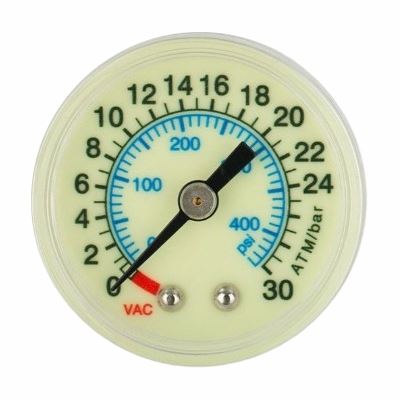
Before we discuss the suitability of general medical pressure gauges in humid environments, let's first understand what these gauges are. A General Medical Pressure Gauge is a specialized instrument designed to measure pressure in medical applications. These gauges are crucial in various medical equipment, ensuring accurate pressure readings for proper functioning. They are used in devices such as ventilators, anesthesia machines, and blood pressure monitors, where precision is of utmost importance.
Medical pressure gauges come in different types, including mechanical and digital. Mechanical gauges rely on physical mechanisms, such as springs and diaphragms, to measure pressure, while digital gauges use electronic sensors to provide readings. Each type has its own advantages and limitations, but both are designed to meet the strict requirements of the medical industry.
The Impact of Humidity on Pressure Gauges
Humidity refers to the amount of water vapor present in the air. High humidity levels can have several adverse effects on general medical pressure gauges. One of the primary concerns is corrosion. Water vapor in the air can condense on the surface of the gauge, especially if there are temperature fluctuations. This condensed water can cause rust and corrosion on the metal components of the gauge, such as the housing, springs, and diaphragms. Corrosion can weaken these components, leading to inaccurate pressure readings or even complete failure of the gauge.
Another issue is electrical interference. In digital pressure gauges, high humidity can cause moisture to seep into the electronic components. This moisture can disrupt the electrical signals, leading to erratic readings or malfunctions. Even in mechanical gauges, moisture can affect the lubrication of moving parts, causing increased friction and wear, which can also impact the accuracy of the gauge.

Can General Medical Pressure Gauges Be Used in Humid Environments?
The answer is not a simple yes or no. While general medical pressure gauges are not typically designed to withstand extremely high humidity levels for extended periods, there are ways to use them in moderately humid environments.
Some manufacturers offer pressure gauges with special protective coatings or enclosures. These coatings can act as a barrier against moisture, preventing it from reaching the internal components of the gauge. For example, a gauge with a waterproof or moisture-resistant coating can be used in environments with relative humidity levels of up to 80% without significant issues.
In addition, proper installation and maintenance can also help mitigate the effects of humidity. Installing the gauge in a well-ventilated area can reduce the likelihood of moisture buildup. Regular cleaning and inspection of the gauge can also help detect any signs of corrosion or damage early on, allowing for timely repairs or replacements.
Specialized Pressure Gauges for Humid Environments
If you need to use a pressure gauge in a highly humid environment, such as a steam room or a tropical climate, it may be necessary to consider specialized Medical Equipment Pressure Gauges that are specifically designed for such conditions.
These specialized gauges are often made from materials that are highly resistant to corrosion, such as stainless steel or plastic. They may also have additional sealing mechanisms to prevent moisture from entering the gauge. For example, some gauges are designed with O-rings or gaskets to provide a watertight seal.
One example of a specialized pressure gauge is the 30 ATM Pressure Gauge for Medical Balloon. This gauge is designed to withstand high pressures and is often used in medical applications where there is a risk of exposure to moisture. It has a robust construction and is equipped with features to ensure accurate and reliable performance in humid environments.
Conclusion
In conclusion, while general medical pressure gauges can be used in moderately humid environments with proper precautions, highly humid conditions may require the use of specialized gauges. As a supplier of General Medical Pressure Gauges, I understand the importance of providing accurate and reliable instruments for medical applications. If you have any questions or need assistance in selecting the right pressure gauge for your specific environment, please don't hesitate to contact me. I'm here to help you make the best choice for your needs.
References
- ASTM International. (2023). Standard Test Methods for Determining the Corrosion Resistance of Metals and Alloys.
- International Electrotechnical Commission (IEC). (2022). IEC 60529 - Degrees of Protection Provided by Enclosures (IP Code).
- Medical Device Manufacturers Association. (2023). Guidelines for the Selection and Use of Medical Pressure Gauges.


