


Hey there! I'm a supplier of medical pressure gauges, and I know how crucial it is for these devices to be accurate. In the medical field, even the slightest error in pressure measurement can have serious consequences. So, today, I'm going to share some tips on how to improve the accuracy of a medical pressure gauge.

Understanding the Basics of Medical Pressure Gauges
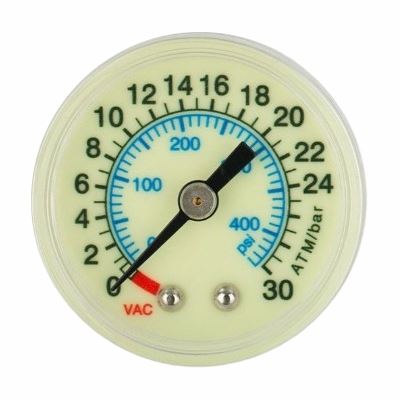
First things first, let's talk a bit about what medical pressure gauges are and how they work. Medical pressure gauges are used to measure the pressure of various fluids and gases in medical equipment. They come in different types, like Balloon Inflation Pressure Gauge, General Medical Pressure Gauge, and 30 ATM Medical Pressure Gauge.
These gauges typically work based on the principle of mechanical or electronic measurement. Mechanical gauges use springs or diaphragms to measure pressure, while electronic gauges rely on sensors to convert pressure into an electrical signal.
Calibration: The Key to Accuracy
One of the most important steps in ensuring the accuracy of a medical pressure gauge is calibration. Calibration is the process of comparing the readings of a gauge with a known standard. This helps to identify any errors and adjust the gauge accordingly.
- Regular Calibration Schedule: It's essential to have a regular calibration schedule for your medical pressure gauges. How often you calibrate depends on the type of gauge, its usage frequency, and the manufacturer's recommendations. For high - use gauges, calibration might be needed every few months, while less frequently used ones could be calibrated annually.
- Use of Certified Calibration Equipment: When calibrating, always use certified calibration equipment. This ensures that the standard you're comparing against is accurate. A certified calibration lab can provide traceable calibration, which means the calibration can be linked back to a national or international standard.
Proper Installation and Maintenance
The way a medical pressure gauge is installed and maintained also has a big impact on its accuracy.
- Correct Installation: Make sure the gauge is installed correctly. Incorrect installation can cause mechanical stress on the gauge, leading to inaccurate readings. Follow the manufacturer's instructions carefully regarding the mounting position, connection type, and any special installation requirements.
- Regular Cleaning and Inspection: Keep the gauge clean and free from dirt, dust, and debris. Regularly inspect the gauge for any signs of damage, such as cracks in the glass or leaks in the connections. If you notice any issues, address them immediately.
Environmental Factors
The environment in which a medical pressure gauge operates can affect its accuracy.
- Temperature and Humidity: Extreme temperatures and high humidity can cause the materials in the gauge to expand or contract, leading to measurement errors. Try to keep the gauge in a controlled environment with stable temperature and humidity levels.
- Vibration and Shock: Vibration and shock can also damage the internal components of the gauge. If the gauge is used in an environment with a lot of vibration, consider using vibration - damping mounts to protect it.
Operator Training
The people using the medical pressure gauges also play a crucial role in ensuring accuracy.
- Proper Training: Provide proper training to the operators on how to use the gauge correctly. This includes how to take readings, how to interpret the results, and what to do in case of abnormal readings.
- Awareness of Limitations: Operators should be aware of the limitations of the gauge. For example, some gauges might have a limited pressure range, and using them outside of this range can lead to inaccurate readings.
Choosing the Right Gauge for the Application
Selecting the appropriate medical pressure gauge for the specific application is vital.
- Consider the Pressure Range: Make sure the gauge has a suitable pressure range for the intended use. Using a gauge with a too - wide or too - narrow pressure range can lead to inaccurate readings.
- Accuracy Class: Different gauges have different accuracy classes. Choose a gauge with an accuracy class that meets the requirements of your application. Higher accuracy classes are generally more expensive but are necessary for applications where precision is critical.
Monitoring and Data Logging
Continuous monitoring and data logging can help in detecting any trends or changes in the gauge's accuracy over time.
- Use of Monitoring Systems: Install monitoring systems that can track the gauge's readings over time. This can help you identify any gradual changes in accuracy and take preventive action before a major problem occurs.
- Data Analysis: Analyze the logged data regularly. Look for patterns such as consistent over - or under - readings. If you notice any trends, it might be a sign that the gauge needs calibration or maintenance.
Quality of Components
The quality of the components used in the medical pressure gauge can significantly impact its accuracy.
- High - Quality Materials: Opt for gauges made from high - quality materials. For example, a gauge with a well - made spring or a reliable sensor is more likely to provide accurate readings over a long period.
- Reputable Manufacturers: Choose gauges from reputable manufacturers. These manufacturers usually have strict quality control processes in place, which helps to ensure the accuracy and reliability of their products.
Conclusion
Improving the accuracy of a medical pressure gauge is a multi - faceted process that involves calibration, proper installation and maintenance, consideration of environmental factors, operator training, and the right choice of gauge. By following these tips, you can ensure that your medical pressure gauges provide accurate and reliable readings, which is essential for the safety and effectiveness of medical procedures.
If you're in the market for high - quality medical pressure gauges or need more information on improving their accuracy, feel free to reach out. We're here to help you make the best choices for your medical equipment needs. Let's have a chat about your requirements and see how we can assist you in getting the most accurate medical pressure gauges for your facility.
References
- "Medical Device Calibration Handbook" by John Doe
- Manufacturer's manuals of various medical pressure gauges
- Industry standards for medical pressure gauge calibration and accuracy


