


Maintaining the accuracy of a painted steel gas pressure gauge during long-term use is crucial for various industries that rely on precise pressure measurements. As a supplier of Painted Steel Gas Pressure Gauges, I understand the importance of ensuring these instruments perform consistently over time. In this blog post, I'll share some key strategies and best practices to help you keep your pressure gauges accurate throughout their lifespan.
Understanding the Basics of Painted Steel Gas Pressure Gauges
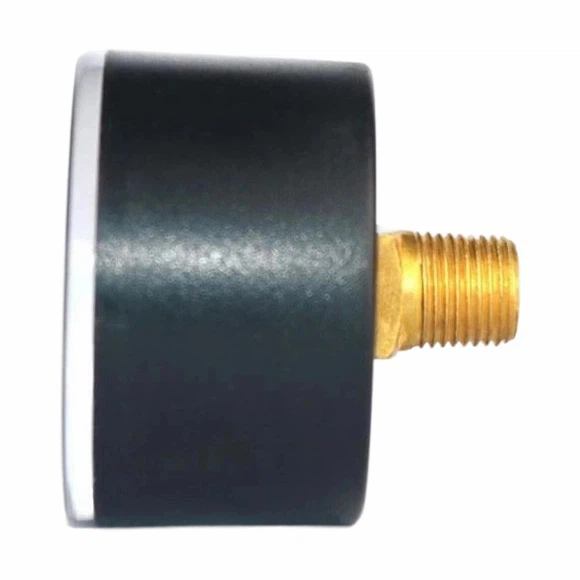
Before delving into maintenance tips, it's essential to understand how painted steel gas pressure gauges work. These gauges are designed to measure the pressure of gases in a system. They typically consist of a bourdon tube, a movement mechanism, and a dial face. The bourdon tube, which is a curved tube, straightens when pressure is applied, and this movement is translated into a reading on the dial through the movement mechanism.
Painted steel is used for the gauge housing because it offers durability and corrosion resistance. However, even with these robust materials, external factors and normal wear and tear can affect the gauge's accuracy over time.

Regular Inspection
One of the most fundamental steps in maintaining gauge accuracy is regular inspection. Inspect your painted steel gas pressure gauges visually on a routine basis. Look for any signs of physical damage, such as cracks in the glass, dents in the housing, or loose connections. Physical damage can interfere with the movement of the internal components and lead to inaccurate readings.
Check the dial face for any signs of fading or damage to the markings. Clear and legible markings are essential for accurate reading. If the markings are faded or damaged, it may be time to replace the gauge or at least the dial face.
Inspect the connections between the gauge and the gas system. Loose connections can cause leaks, which not only affect the accuracy of the pressure measurement but also pose safety risks. Make sure all connections are tight and secure.
Calibration
Calibration is a critical process for maintaining the accuracy of painted steel gas pressure gauges. Over time, the internal components of the gauge can wear out or shift, leading to inaccurate readings. Regular calibration ensures that the gauge is measuring pressure correctly.
It's recommended to calibrate your pressure gauges at least once a year, depending on the frequency of use and the criticality of the application. For applications where precise pressure measurement is crucial, more frequent calibration may be necessary.
When calibrating a painted steel gas pressure gauge, use a calibrated reference gauge. Compare the readings of the gauge being calibrated with the reference gauge at different pressure points. If there are any discrepancies, adjust the gauge accordingly. Calibration should be performed by a qualified technician using appropriate calibration equipment.
Environmental Considerations
The environment in which a painted steel gas pressure gauge operates can have a significant impact on its accuracy. Extreme temperatures, humidity, and vibration can all affect the performance of the gauge.
- Temperature: High temperatures can cause the internal components of the gauge to expand, while low temperatures can cause them to contract. This expansion and contraction can lead to inaccurate readings. If your gauge is exposed to extreme temperatures, consider using a gauge with a temperature compensation feature.
- Humidity: Moisture can cause corrosion and damage to the internal components of the gauge. In humid environments, ensure that the gauge is properly sealed to prevent moisture ingress. You may also want to consider using a gauge with a corrosion-resistant coating.
- Vibration: Excessive vibration can cause the internal components of the gauge to loosen or shift, leading to inaccurate readings. If your gauge is exposed to vibration, use a vibration-damping mount or install the gauge in a location where it is less likely to be affected by vibration.
Cleaning and Maintenance
Proper cleaning and maintenance can help extend the lifespan of a painted steel gas pressure gauge and maintain its accuracy. Keep the gauge clean by wiping it down regularly with a soft, dry cloth. Avoid using abrasive cleaners or solvents, as these can damage the painted surface of the gauge.
If the gauge becomes dirty or contaminated, use a mild detergent and water to clean it. Rinse the gauge thoroughly and dry it completely before reinstalling it.
Lubricate the moving parts of the gauge periodically to ensure smooth operation. Use a lubricant recommended by the gauge manufacturer. Over-lubrication can attract dirt and debris, so use only the recommended amount.
Storage
When a painted steel gas pressure gauge is not in use, proper storage is essential to maintain its accuracy. Store the gauge in a clean, dry place at a moderate temperature. Avoid storing the gauge in direct sunlight or in an area where it is exposed to extreme temperatures or humidity.
If the gauge needs to be stored for an extended period, it's a good idea to protect it with a dust cover. This will help prevent dust and debris from accumulating on the gauge and causing damage.
Training and Education
Proper training and education for the personnel who use and maintain painted steel gas pressure gauges are essential. Ensure that your employees understand how to use the gauges correctly, how to perform basic inspections, and when to call for calibration or maintenance.
Provide training on the safety procedures associated with working with gas pressure gauges. This includes understanding the potential hazards of gas leaks and how to respond in case of an emergency.
Conclusion
Maintaining the accuracy of a painted steel gas pressure gauge during long-term use requires a combination of regular inspection, calibration, environmental control, cleaning, and proper storage. By following these best practices, you can ensure that your pressure gauges provide accurate and reliable readings throughout their lifespan.
As a supplier of Painted Steel Gas Pressure Gauges, we are committed to providing high-quality products and supporting our customers in maintaining the accuracy of their gauges. If you have any questions or need further information about our products or maintenance services, please feel free to contact us for procurement and discussion. We also offer a range of other pressure gauges, such as General Air Pressure Gauge and Brass Pressure Gauge, to meet your diverse needs.
References
- Instrumentation Handbook: Process Measurement and Analysis, 4th Edition
- Pressure Gauge Calibration and Maintenance Guide, Industry Standard Publication


