


Hey there! As a supplier of all - purpose pressure gauges, I've seen firsthand the importance of safety when using these handy devices. Whether you're a professional in an industrial setting or a DIY enthusiast working on a home project, taking the right safety precautions can prevent accidents and ensure accurate readings. In this blog, I'll share some key safety tips for using all - purpose pressure gauges.
1. Read the Manual First
Before you even think about using an all - purpose pressure gauge, it's crucial to read the user manual. Seriously, it's not just a bunch of boring words on paper. The manual contains important information about the gauge's specifications, limitations, and proper usage. It'll tell you things like the maximum pressure the gauge can handle, the type of fluids or gases it's designed for, and how to install it correctly. If you skip this step, you're basically flying blind and risking a whole lot of trouble.
2. Check for Damage
Once you've got the manual under your belt, take a good look at the pressure gauge. Inspect it for any signs of damage, like cracks in the glass, bent needles, or loose fittings. A damaged gauge can give inaccurate readings, and in some cases, it can even pose a safety hazard. If you notice any issues, don't use the gauge. Instead, contact the manufacturer or your supplier (that's me!) to get it repaired or replaced.
3. Choose the Right Gauge for the Job
Not all pressure gauges are created equal. Different gauges are designed for different applications, so it's important to choose the right one for your specific needs. For example, if you're working with gases, you'll need a gauge that's rated for gas pressure. If you're dealing with liquids, make sure the gauge is compatible with the type of liquid you're measuring.
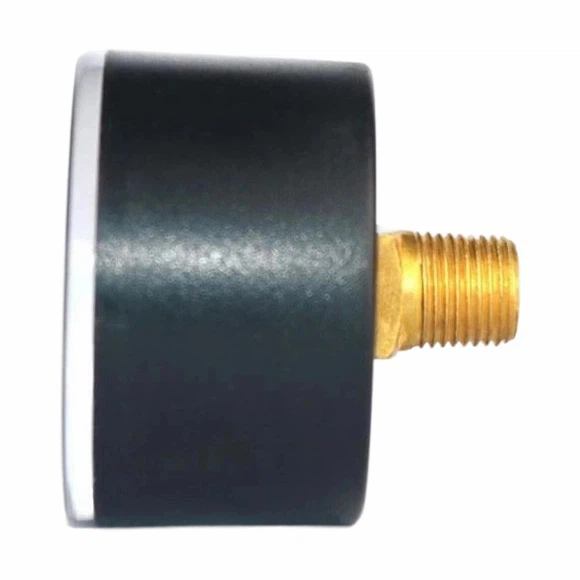
We offer a wide range of all - purpose pressure gauges to suit various applications. Check out our 2" Plastic General Pressure Gauge, which is great for general - purpose applications where a lightweight and cost - effective gauge is needed. Or if you're looking for something more durable for gas applications, our Painted Steel Gas Pressure Gauge might be the perfect choice. And for those who need a high - quality gauge for more demanding applications, our Brass Pressure Gauge is a reliable option.

4. Install the Gauge Properly
Proper installation is key to ensuring the safe and accurate operation of a pressure gauge. Make sure you follow the installation instructions in the manual carefully. Use the right tools and fittings, and make sure everything is tightened securely. A loose connection can cause leaks, which can be dangerous, especially if you're working with hazardous substances.
Also, pay attention to the orientation of the gauge. Some gauges need to be installed in a specific position to work correctly. If you're not sure how to install the gauge, don't hesitate to ask for help. You can reach out to me, and I'll be more than happy to assist you.
5. Set the Correct Pressure Range
Before you start using the pressure gauge, you need to set the correct pressure range. This is important because if the pressure exceeds the gauge's maximum rating, it can cause damage to the gauge and potentially lead to an accident. Most pressure gauges have a scale that shows the pressure range. Make sure you select the appropriate range for your application. If you're not sure what range to use, consult the manual or give me a shout.
6. Monitor the Pressure Regularly
Once the pressure gauge is installed and set up, it's important to monitor the pressure regularly. Keep an eye on the needle and make sure it stays within the safe operating range. If you notice any sudden changes in pressure or if the needle starts to behave erratically, stop what you're doing immediately. This could be a sign of a problem, such as a leak or a blockage.
7. Use Personal Protective Equipment (PPE)
When working with pressure gauges, it's always a good idea to wear the appropriate personal protective equipment (PPE). This might include safety glasses, gloves, and a face shield. PPE can protect you from potential hazards, such as flying debris or chemical splashes. Even if you think you're being careful, accidents can happen, so it's better to be safe than sorry.
8. Maintain the Gauge Regularly
Regular maintenance is essential for keeping your pressure gauge in good working condition. Clean the gauge regularly to remove any dirt or debris that could affect its performance. Check the calibration periodically to make sure the gauge is still accurate. If you're not comfortable doing the maintenance yourself, you can send the gauge to a professional calibration service or contact me, and I can help you arrange for it.
9. Store the Gauge Properly
When you're not using the pressure gauge, store it properly. Keep it in a clean, dry place away from extreme temperatures and humidity. Avoid storing the gauge in a place where it could be damaged, such as a crowded toolbox or a dusty corner. Proper storage can extend the life of the gauge and ensure that it's ready to use when you need it.
10. Know What to Do in an Emergency
Despite taking all the necessary precautions, emergencies can still happen. That's why it's important to know what to do in case of an emergency. Familiarize yourself with the emergency procedures for your workplace or project. If there's a leak or a sudden increase in pressure, follow the appropriate steps to shut off the system and ensure your safety. And if you're ever in doubt, don't hesitate to call for professional help.
In conclusion, using an all - purpose pressure gauge safely requires a combination of proper preparation, installation, use, and maintenance. By following these safety precautions, you can minimize the risk of accidents and ensure that your pressure gauge provides accurate and reliable readings.
If you're in the market for an all - purpose pressure gauge or have any questions about safety or maintenance, I'd love to hear from you. Just reach out, and we can start a conversation about your specific needs. Whether you're a small - scale user or a large - scale industrial client, I'm here to help you find the right pressure gauge and ensure that you use it safely.
References
- Manufacturer's user manuals for all - purpose pressure gauges
- Industry standards and guidelines for pressure gauge safety


