


A low pressure natural gas gauge is a crucial component in any natural gas system. It provides real - time information about the gas pressure, ensuring the safe and efficient operation of appliances and equipment that rely on natural gas. However, like any mechanical or electrical device, these gauges can malfunction over time. As a supplier of low pressure natural gas gauges, I have encountered various signs of faulty gauges in the field. In this blog, I will share some of the most common signs that indicate a low pressure natural gas gauge may be faulty.
Inconsistent Readings
One of the most obvious signs of a faulty low pressure natural gas gauge is inconsistent readings. A properly functioning gauge should provide stable and accurate pressure measurements. If you notice that the gauge needle is fluctuating erratically, even when the gas flow and usage remain constant, it could be a sign of a problem. For example, the needle might jump from one value to another without any apparent reason. This inconsistency can be caused by a variety of factors, such as a damaged internal mechanism, a loose connection, or a problem with the pressure sensor.
In some cases, the gauge may show a sudden drop or increase in pressure that is not consistent with the normal operation of the gas system. This can be particularly dangerous, as it may lead to incorrect adjustments of gas - powered appliances, potentially causing inefficient operation or even safety hazards. If you observe such inconsistent readings, it is advisable to check the Pressure Measuring Pressure Gauge to ensure it is functioning correctly.
Stuck Needle
Another common sign of a faulty gauge is a stuck needle. If the needle on the gauge fails to move when there are changes in the gas pressure, it indicates that the gauge is not working properly. A stuck needle can be caused by a mechanical blockage inside the gauge, such as debris or a broken spring. It can also be due to a problem with the pressure - sensing element, which may have become damaged or corroded over time.
A stuck gauge can be extremely misleading, as it may give the impression that the gas pressure is stable when, in fact, it could be fluctuating. This can lead to over - or under - pressurization of the gas system, which can damage appliances and pose a safety risk. If you find that the needle of your low pressure natural gas gauge is stuck, it is important to replace it as soon as possible. You may consider our Painted Steel Gas Pressure Gauge, which is designed for reliable performance.
Incorrect Zero Reading
A low pressure natural gas gauge should read zero when there is no gas pressure in the system. If the gauge shows a non - zero reading when the gas supply is shut off, it is a sign of a problem. This could be due to a calibration issue, where the gauge is not properly adjusted to read zero at atmospheric pressure. It can also be caused by internal damage to the gauge, such as a bent needle or a malfunctioning pressure sensor.
An incorrect zero reading can lead to inaccurate pressure measurements throughout the operation of the gas system. For example, if the gauge reads 5 psi when it should read zero, all subsequent pressure readings will be 5 psi higher than the actual pressure. This can cause problems in the proper functioning of gas - powered appliances, which are designed to operate within specific pressure ranges. If you suspect an incorrect zero reading, it is recommended to have the gauge calibrated or replaced. Our General Air Pressure Gauge can be a reliable alternative for accurate pressure measurement.

Physical Damage
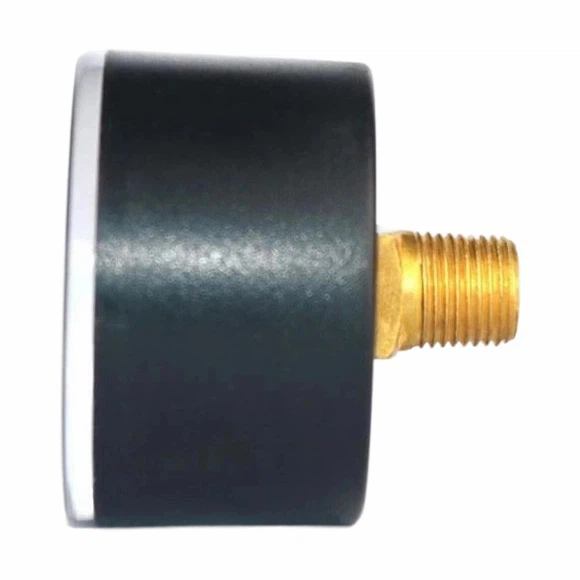
Physical damage to the low pressure natural gas gauge is also a clear sign that it may be faulty. This can include cracks in the gauge face, a broken glass cover, or visible signs of corrosion on the gauge body. Cracks in the gauge face can allow moisture and debris to enter the gauge, which can damage the internal components and affect its accuracy. A broken glass cover not only exposes the internal parts of the gauge to damage but also makes it difficult to read the pressure accurately.
Corrosion on the gauge body can be a result of exposure to moisture or harsh environmental conditions. It can weaken the structure of the gauge and cause internal components to malfunction. If you notice any physical damage to your low pressure natural gas gauge, it is essential to replace it immediately to ensure the safe and accurate operation of your gas system.
Leaking Gauge
A leaking gauge is a serious problem that requires immediate attention. If you notice gas leaking from the gauge, it could be due to a faulty seal or a crack in the gauge body. Gas leaks are not only a waste of energy but also pose a significant safety risk, as natural gas is highly flammable. A small gas leak can quickly accumulate and create a potentially explosive atmosphere.
If you suspect a gas leak from your low pressure natural gas gauge, you should first turn off the gas supply to the system and evacuate the area. Do not attempt to repair the gauge yourself, as this can be dangerous. Contact a qualified technician to inspect and replace the faulty gauge.
Unusual Noises
In some cases, a faulty low pressure natural gas gauge may produce unusual noises. This can include hissing sounds, which may indicate a gas leak, or rattling noises, which could be due to a loose internal component. Hissing sounds are particularly concerning, as they are a clear sign of a gas leak. Rattling noises can also be a sign of a problem with the gauge's internal mechanism, which may lead to inaccurate readings over time.
If you hear any unusual noises coming from your low pressure natural gas gauge, it is important to investigate the issue promptly. Ignoring these noises can lead to more serious problems and potentially dangerous situations.
Conclusion
As a supplier of low pressure natural gas gauges, I understand the importance of having a reliable and accurate gauge in your gas system. The signs of a faulty gauge, such as inconsistent readings, a stuck needle, incorrect zero reading, physical damage, leaking, and unusual noises, should not be ignored. Regular inspection and maintenance of your low pressure natural gas gauge can help detect these issues early and prevent potential safety hazards and equipment damage.
If you suspect that your low pressure natural gas gauge is faulty, or if you are looking for a high - quality replacement gauge, we are here to assist you. Our range of gauges, including the Pressure Measuring Pressure Gauge, Painted Steel Gas Pressure Gauge, and General Air Pressure Gauge, are designed to provide accurate and reliable pressure measurements. Contact us today to discuss your requirements and start a procurement negotiation.
References
- "Natural Gas Safety Handbook", Industry - standard safety guide on natural gas systems.
- "Pressure Gauge Maintenance and Troubleshooting Manual", Manufacturer - provided manual for understanding gauge malfunctions.


