


When it comes to medical equipment, precision and reliability are of utmost importance. Among the many essential devices in the medical field, pressure gauges play a crucial role in various applications. In this blog post, I'll delve into the measurement range of a typical medical pressure gauge with a luminous dial, sharing insights from my experience as a supplier of Medical Pressure Gauge Luminous Dial products.
Understanding Medical Pressure Gauges
Medical pressure gauges are designed to accurately measure pressure in medical settings. They are used in a wide range of applications, including blood pressure monitoring, ventilator systems, and balloon inflation procedures. The luminous dial feature is particularly useful in low - light environments, such as during night - time patient care or in emergency situations, where quick and accurate pressure readings are vital.
Typical Measurement Ranges
The measurement range of a medical pressure gauge with a luminous dial can vary depending on its specific application.
Low - Pressure Ranges
For applications like measuring blood pressure, the typical range of a medical pressure gauge is usually from 0 to 300 mmHg (millimeters of mercury). Blood pressure is measured in two values: systolic (the higher value) and diastolic (the lower value). Normal systolic blood pressure is around 90 - 120 mmHg, and normal diastolic blood pressure is around 60 - 80 mmHg. A gauge with a range of 0 - 300 mmHg can accurately measure both normal and abnormal blood pressure values, allowing medical professionals to diagnose and monitor patients effectively.
Medium - Pressure Ranges
In some medical procedures, such as balloon inflation for angioplasty or stent placement, the pressure requirements are higher. A Balloon Inflation Pressure Gauge typically has a measurement range from 0 to 20 atmospheres (atm). This range is sufficient to inflate the balloon to the required pressure to open blocked arteries and ensure proper stent deployment. The luminous dial on these gauges enables medical staff to easily read the pressure during the procedure, even in dimly lit operating rooms.

High - Pressure Ranges
For more specialized medical applications, such as in some ventilator systems or high - pressure medical supply units, the measurement range can be even higher. A Medical Supply 30 ATM pressure gauge is designed to measure pressures up to 30 atm. These gauges are used in situations where precise control of high - pressure gas or fluid is necessary, such as in the delivery of oxygen or other medical gases at specific pressures.
Factors Affecting the Measurement Range
Several factors can influence the choice of the measurement range for a medical pressure gauge with a luminous dial.
Application Requirements
The specific medical procedure or application is the primary factor. As mentioned earlier, blood pressure monitoring requires a lower pressure range, while balloon inflation and high - pressure medical supply applications need higher ranges. Medical professionals need to select a gauge with a range that can accurately measure the pressures involved in their specific tasks.
Safety Margins
It is also important to consider safety margins when choosing a pressure gauge. A gauge should have a range that allows for some over - pressure protection. For example, if the normal operating pressure in a balloon inflation procedure is around 10 atm, a gauge with a range of 0 - 20 atm provides a safety margin in case of unexpected pressure spikes.
Accuracy and Resolution
The accuracy and resolution of the gauge are closely related to its measurement range. Generally, a gauge with a smaller measurement range can provide higher accuracy and resolution within that range. For blood pressure measurement, a gauge with a range of 0 - 300 mmHg can offer more precise readings compared to a gauge with a much wider range.
Our Product Offerings
As a supplier of Medical Pressure Gauge Luminous Dial products, we understand the diverse needs of the medical industry. We offer a wide range of pressure gauges with different measurement ranges to meet various application requirements.
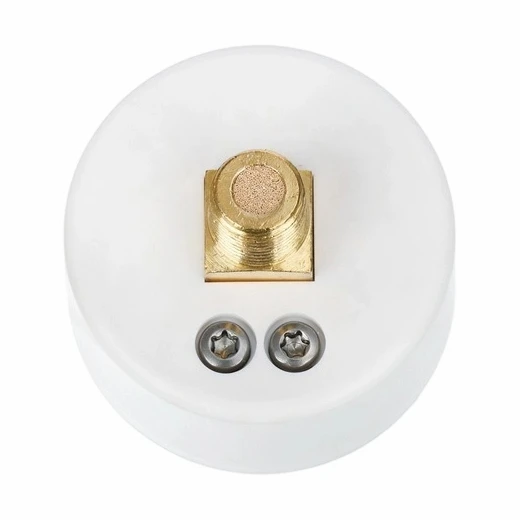
Our Medical Balloon Pressure Gauge Back Connection is specifically designed for balloon inflation procedures. It has a reliable measurement range and a clear luminous dial, ensuring accurate and easy - to - read pressure values during critical medical procedures.
We also provide gauges for blood pressure monitoring and high - pressure medical supply applications. Our products are manufactured using high - quality materials and advanced manufacturing techniques to ensure durability, accuracy, and reliability.
Quality Assurance
We are committed to providing the highest quality medical pressure gauges. All our products undergo strict quality control procedures before leaving the factory. We test the gauges for accuracy, reliability, and durability to ensure that they meet or exceed industry standards. Our luminous dials are designed to be long - lasting and highly visible, even in challenging lighting conditions.
Why Choose Our Products
- Wide Range of Options: We offer pressure gauges with different measurement ranges to suit various medical applications.
- Luminous Dial Technology: Our gauges feature high - quality luminous dials that provide clear and easy - to - read pressure values in low - light environments.
- Quality and Reliability: Our products are manufactured to the highest standards, ensuring long - term performance and accuracy.
- Customer Support: We provide excellent customer support to assist our clients with product selection, installation, and maintenance.
Contact Us for Procurement
If you are in the market for medical pressure gauges with luminous dials, we invite you to contact us for procurement discussions. Whether you are a hospital, a medical device distributor, or a research institution, we can provide you with the right products to meet your needs. Our team of experts is ready to answer your questions and help you find the best pressure gauge solutions for your specific applications.
References
- "Medical Instrumentation: Application and Design" by John G. Webster
- "Handbook of Blood Pressure Measurement" by Thomas G. Pickering


