


As a supplier of brass pressure gauges, I understand the importance of proper maintenance to ensure the longevity and accuracy of these essential instruments. Brass pressure gauges are widely used in various industries to measure the pressure of liquids and gases. In this blog post, I will discuss the maintenance requirements for brass pressure gauges, providing you with valuable insights to keep your gauges in optimal condition.
Understanding the Basics of Brass Pressure Gauges
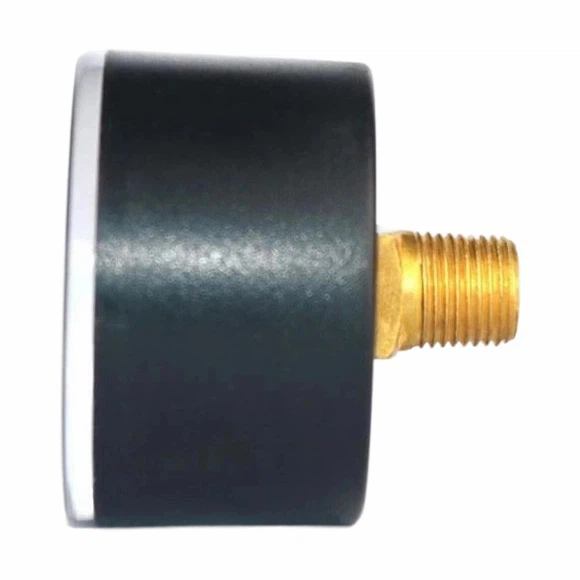
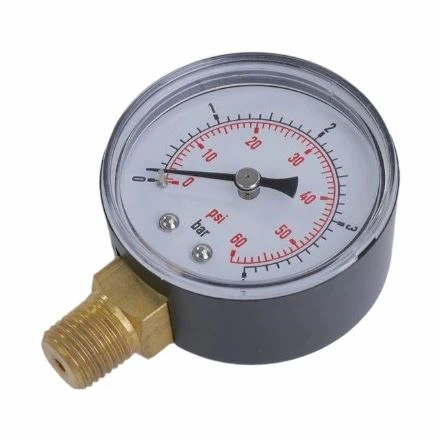
Before delving into maintenance, it's crucial to understand the basic components of a brass pressure gauge. A typical brass pressure gauge consists of a brass case, a bourdon tube, a movement, a dial, and a pointer. The bourdon tube, made of brass or other materials, is the primary sensing element that deforms under pressure. This deformation is then translated into a rotational movement by the movement mechanism, which is displayed on the dial by the pointer.
Regular Inspection
Regular inspection is the first step in maintaining a brass pressure gauge. Visual inspection can help you detect any signs of damage, wear, or corrosion. Here are some key areas to check during an inspection:
- Case and Glass: Inspect the brass case for any cracks, dents, or signs of corrosion. Check the glass for scratches, cracks, or fogging, as these can affect the visibility of the dial.
- Dial and Pointer: Examine the dial for any signs of damage or fading. Ensure that the pointer moves smoothly and accurately across the dial.
- Connection Points: Check the connection points, including the inlet and the mounting bracket, for any signs of leakage or looseness.
Cleaning
Cleaning is an essential part of pressure gauge maintenance. Over time, dust, dirt, and other contaminants can accumulate on the gauge, affecting its performance. Here's how you can clean your brass pressure gauge:
- External Cleaning: Use a soft, dry cloth to wipe the exterior of the gauge. For stubborn dirt or stains, you can use a mild detergent solution. Avoid using abrasive cleaners or solvents, as these can damage the brass finish.
- Internal Cleaning: If the gauge is contaminated internally, it may require more thorough cleaning. However, this should only be done by a qualified technician. They will disassemble the gauge, clean the components, and reassemble it to ensure proper functioning.
Calibration
Calibration is the process of adjusting a pressure gauge to ensure its accuracy. Over time, the accuracy of a pressure gauge can drift due to factors such as temperature changes, mechanical stress, and wear. Regular calibration is essential to maintain the reliability of the gauge.
- Frequency of Calibration: The frequency of calibration depends on several factors, including the application, the environment, and the manufacturer's recommendations. In general, it is recommended to calibrate brass pressure gauges at least once a year. However, for critical applications, more frequent calibration may be required.
- Calibration Process: Calibration should be performed by a qualified technician using a calibrated reference standard. The technician will compare the readings of the gauge being calibrated with the reference standard and make any necessary adjustments.
Protection from Environmental Factors
Brass pressure gauges are sensitive to environmental factors such as temperature, humidity, and vibration. To ensure their longevity and accuracy, it is important to protect them from these factors.
- Temperature: Extreme temperatures can affect the performance of a pressure gauge. Avoid exposing the gauge to temperatures outside its specified operating range. If the gauge is used in a high-temperature environment, consider using a heat shield or a cooling device.
- Humidity: High humidity can cause corrosion and damage to the brass components of the gauge. If the gauge is used in a humid environment, ensure that it is properly sealed and protected. You can also use a desiccant to absorb moisture.
- Vibration: Vibration can cause the components of a pressure gauge to loosen or become damaged. If the gauge is exposed to vibration, consider using a vibration-damping mount or a shock absorber.
Storage
Proper storage is important when the pressure gauge is not in use. Here are some tips for storing your brass pressure gauge:
- Clean and Dry: Before storing the gauge, clean it thoroughly and ensure that it is dry. This will prevent the growth of mold and mildew.
- Protective Case: Store the gauge in a protective case to prevent damage from dust, dirt, and other contaminants.
- Proper Positioning: Store the gauge in a vertical position to prevent the bourdon tube from deforming.
Conclusion
Proper maintenance of brass pressure gauges is essential to ensure their longevity, accuracy, and reliability. By following the maintenance tips outlined in this blog post, you can keep your pressure gauges in optimal condition and avoid costly repairs or replacements.
If you are in the market for high-quality brass pressure gauges or need further assistance with pressure gauge maintenance, please feel free to [contact us for procurement and negotiation]. We offer a wide range of pressure gauges, including Painted Steel Gas Pressure Gauge, 1.5" Water Pressure General Pressure Gauge, and Ordinary Pressure Gauge. Our team of experts is ready to help you find the right solution for your needs.
References
- ASME B40.100 - Pressure Gauges and Gauge Attachments
- ISO 5167 - Measurement of fluid flow by means of pressure differential devices inserted in circular cross-section conduits running full
- Manufacturer's manuals and technical specifications for brass pressure gauges


