


Hey there! As a supplier of steel chrome plated pressure gauges, I often get asked about the materials used in these nifty devices. So, I thought I'd write this blog to break it all down for you.
Let's start with the basics. A pressure gauge is a crucial tool in many industries, from manufacturing to automotive, and even in some home applications. It measures the pressure of gases or liquids in a system, helping to ensure everything runs smoothly and safely. And when it comes to steel chrome plated pressure gauges, they offer a great combination of durability, corrosion resistance, and a sleek look.
The Steel Base
The foundation of a steel chrome plated pressure gauge is, of course, the steel. Steel is an alloy made primarily of iron and carbon, with small amounts of other elements like manganese, silicon, and sulfur. There are different types of steel used in pressure gauges, but typically, we're talking about stainless steel or carbon steel.
Stainless steel is a popular choice because it's highly resistant to corrosion. It contains chromium, which forms a thin, protective layer on the surface of the steel, preventing rust and other forms of oxidation. This makes it ideal for use in harsh environments, where the pressure gauge might be exposed to moisture, chemicals, or other corrosive substances.
Carbon steel, on the other hand, is known for its strength and durability. It's less expensive than stainless steel, but it's also more prone to corrosion. To protect carbon steel pressure gauges, they're often coated or painted. However, in the case of steel chrome plated pressure gauges, the chrome plating provides an extra layer of protection against rust and wear.
The Chrome Plating
Chrome plating is a process where a thin layer of chromium is applied to the surface of the steel. This not only gives the pressure gauge a shiny, attractive finish but also enhances its corrosion resistance and hardness. There are two main types of chrome plating: decorative chrome and hard chrome.
Decorative chrome plating is used primarily for its aesthetic appeal. It provides a smooth, mirror-like finish that makes the pressure gauge look sleek and professional. This type of plating is typically thinner than hard chrome plating and is often used on the outer casing of the pressure gauge.
Hard chrome plating, on the other hand, is used for its functional properties. It's thicker and more durable than decorative chrome plating, providing excellent wear resistance and corrosion protection. Hard chrome plating is often used on the internal components of the pressure gauge, such as the bourdon tube or the movement, to ensure they can withstand the high pressures and repeated use.
Other Components
In addition to the steel base and chrome plating, a steel chrome plated pressure gauge also contains several other components. Let's take a closer look at some of these:
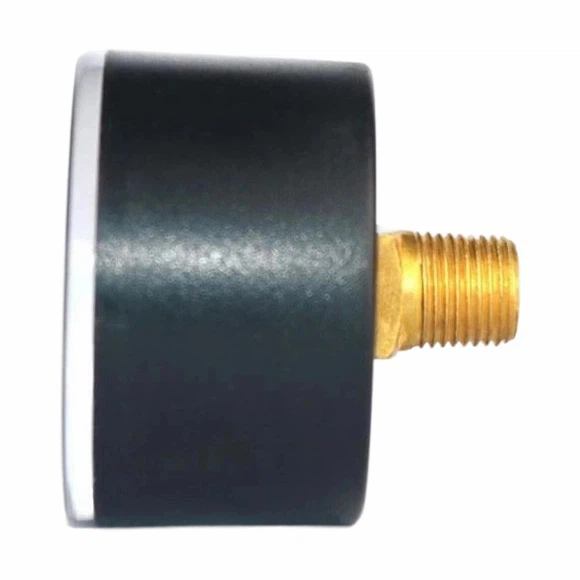

- Bourdon Tube: This is the heart of the pressure gauge. It's a curved, hollow tube that expands or contracts in response to changes in pressure. As the pressure inside the tube increases, it straightens out, and this movement is transferred to the pointer on the gauge face, indicating the pressure. Bourdon tubes are typically made of brass or stainless steel, depending on the application.
- Movement: The movement is the mechanism that translates the movement of the bourdon tube into the rotation of the pointer on the gauge face. It consists of gears, levers, and springs that work together to ensure accurate and reliable pressure readings. The movement is usually made of brass or other non-ferrous metals, which are resistant to corrosion and wear.
- Gauge Face: The gauge face is the part of the pressure gauge that displays the pressure readings. It's typically made of glass or plastic, which provides a clear view of the pointer and the scale. The gauge face may also include markings, such as units of measurement, safety limits, or other important information.
- Case and Bezel: The case and bezel are the outer components of the pressure gauge that protect the internal components and give the gauge its overall appearance. The case is usually made of steel or aluminum, while the bezel is often made of plastic or metal. The bezel may also include a window or lens to protect the gauge face.
Comparison with Other Types of Pressure Gauges
Now that we've covered the materials used in a steel chrome plated pressure gauge, let's compare it with some other types of pressure gauges.
- Ordinary Pressure Gauge: Ordinary pressure gauges are typically made of brass or steel and may or may not have a chrome plating. They're less expensive than steel chrome plated pressure gauges but may not offer the same level of corrosion resistance or durability.
- Brass Pressure Gauge: Brass pressure gauges are made primarily of brass, which is a copper-zinc alloy. Brass is known for its corrosion resistance and conductivity, making it a popular choice for pressure gauges. However, brass pressure gauges may not be as strong or durable as steel chrome plated pressure gauges.
- Painted Steel Gas Pressure Gauge: Painted steel gas pressure gauges are made of steel and are coated with a paint or powder coating to protect against corrosion. They're less expensive than steel chrome plated pressure gauges but may not offer the same level of aesthetic appeal or corrosion resistance.
Why Choose a Steel Chrome Plated Pressure Gauge?
So, why should you choose a steel chrome plated pressure gauge over other types of pressure gauges? Here are a few reasons:
- Durability: Steel chrome plated pressure gauges are highly durable and can withstand harsh environments and repeated use. The chrome plating provides an extra layer of protection against rust and wear, ensuring that the pressure gauge will last for a long time.
- Corrosion Resistance: The combination of stainless steel or carbon steel and chrome plating makes steel chrome plated pressure gauges highly resistant to corrosion. This makes them ideal for use in applications where the pressure gauge might be exposed to moisture, chemicals, or other corrosive substances.
- Aesthetic Appeal: Steel chrome plated pressure gauges have a sleek, professional look that makes them a great choice for applications where appearance matters. The shiny chrome finish gives the pressure gauge a high-quality, upscale look that can enhance the overall appearance of the equipment or system.
- Accuracy and Reliability: Steel chrome plated pressure gauges are designed to provide accurate and reliable pressure readings. The high-quality materials and precision manufacturing ensure that the pressure gauge will perform consistently over time, even in demanding applications.
Contact Us for Your Pressure Gauge Needs
If you're in the market for a high-quality steel chrome plated pressure gauge, look no further! As a leading supplier of pressure gauges, we offer a wide range of products to meet your specific needs. Whether you need a pressure gauge for industrial, commercial, or residential applications, we have the expertise and experience to help you find the right solution.
So, don't hesitate to reach out to us if you have any questions or if you're ready to place an order. We're here to help you get the best pressure gauge for your money.
References
- ASME B40.100 - Pressure Gauges and Gauge Attachments
- ISO 22819 - Pressure gauges for gas cylinders
- ASTM A36 - Standard Specification for Carbon Structural Steel


