


Hey there! As a supplier of General Medical Pressure Gauges, I often get asked about how to clean these essential medical devices. A clean pressure gauge not only ensures accurate readings but also extends its lifespan. So, let's dive into the nitty - gritty of cleaning a general medical pressure gauge.
Why Cleaning is Crucial
First off, you might be wondering why cleaning a medical pressure gauge is such a big deal. Well, in a medical setting, precision is key. Any dirt, debris, or residue on the gauge can interfere with its internal mechanisms, leading to inaccurate pressure readings. And let's face it, inaccurate readings can have serious consequences for patient care.
Another reason is hygiene. Medical equipment comes into contact with various substances, including bodily fluids and medications. If not cleaned properly, these substances can harbor bacteria and other pathogens, posing a risk of infection to patients and healthcare providers.
Pre - Cleaning Preparations
Before you start cleaning, there are a few things you need to do. First, make sure the pressure gauge is turned off and disconnected from any power source or medical equipment. This is a basic safety precaution to prevent any electrical shock or damage to the gauge.
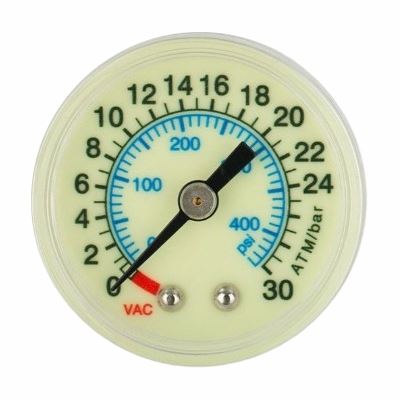

Next, gather your cleaning supplies. You'll need a soft, lint - free cloth, mild soap or a medical - grade cleaning solution, and distilled water. Avoid using abrasive materials or harsh chemicals, as they can scratch the gauge face or damage its internal components.
Step - by - Step Cleaning Process
Exterior Cleaning
Let's start with the outside of the gauge. Dip the soft cloth into the mild soap solution or medical - grade cleaning solution. Wring it out well so that it's damp, not soaking wet. Gently wipe the entire exterior of the gauge, including the case, bezel, and gauge face. Pay special attention to the areas around the buttons and ports, as these can collect dirt and grime.
For stubborn stains, you can use a bit more pressure, but still be gentle. After wiping, rinse the cloth in distilled water and wring it out again. Then, use the clean, damp cloth to wipe away any soap residue. Finally, dry the exterior thoroughly with a clean, dry part of the cloth.
Gauge Face Cleaning
The gauge face is where you read the pressure values, so it's important to keep it clean and clear. Use the same damp cloth to gently wipe the gauge face. If there are any smudges or fingerprints, you can use a small amount of glass cleaner (make sure it's safe for use on medical equipment) on the cloth. But again, be careful not to let any liquid seep into the gauge through the edges of the face.
Internal Cleaning (When Necessary)
In most cases, the internal components of the gauge should not be cleaned by the end - user. However, if you suspect that there is dirt or debris inside the gauge that is affecting its performance, it's best to contact a professional technician. They have the tools and expertise to safely disassemble and clean the internal parts.
Some General Medical Pressure Gauges come with a sealed design, which means they are less likely to have internal contamination. But if you have a gauge that can be opened for maintenance, make sure you follow the manufacturer's instructions carefully.
Drying and Reassembly
After cleaning, make sure the gauge is completely dry before reassembling or reconnecting it. You can let it air - dry for a few minutes or use a dry cloth to speed up the process. Once dry, if you had to remove any parts during the cleaning process, carefully reassemble the gauge according to the manufacturer's instructions.
Maintenance Tips
Regular cleaning is just one part of maintaining a general medical pressure gauge. Here are some other tips to keep your gauge in top shape:
- Calibration: Have your gauge calibrated regularly by a professional. Calibration ensures that the gauge is providing accurate pressure readings.
- Storage: Store the gauge in a clean, dry place when not in use. Avoid exposing it to extreme temperatures, humidity, or direct sunlight, as these can damage the gauge.
- Inspection: Periodically inspect the gauge for any signs of damage, such as cracks in the case or a loose gauge face. If you notice any issues, contact the manufacturer or a professional technician immediately.
Our Product Range
As a supplier, we offer a wide range of medical pressure gauges. You can check out our Medical Use Pressure Gauge for various medical applications. Our General Medical Pressure Gauge is a popular choice for general medical use, providing reliable and accurate pressure readings. And if you're looking for a specific type, our Medical Balloon Pressure Gauge Back Connection is designed for specialized medical procedures.
Contact Us for Purchase
If you're in the market for a high - quality general medical pressure gauge or have any questions about cleaning and maintenance, we're here to help. Whether you're a hospital, a clinic, or an individual healthcare provider, we can offer you the best products and support. Reach out to us to start a purchase negotiation and find the perfect pressure gauge for your needs.
References
- Manufacturer's instructions for General Medical Pressure Gauges
- Medical equipment cleaning guidelines from industry standards


