


As a supplier of low pressure natural gas gauges, I've encountered numerous inquiries regarding the accuracy of these essential instruments. Accuracy is paramount when it comes to measuring low pressure natural gas, as even the slightest deviation can lead to significant issues in various applications, from residential heating systems to industrial processes. In this blog post, I'll delve into the factors that can affect the accuracy of a low pressure natural gas gauge, providing insights to help you understand and maintain the reliability of these devices.
1. Environmental Conditions
The environment in which a low pressure natural gas gauge operates plays a crucial role in its accuracy. Temperature, humidity, and vibration are among the key environmental factors that can impact the performance of these gauges.
Temperature
Temperature fluctuations can cause the materials within the gauge to expand or contract, leading to changes in the gauge's internal dimensions and, consequently, its accuracy. For instance, if a gauge is designed to operate within a specific temperature range and is exposed to extreme heat or cold, the elasticity of the gauge's components may be affected. This can result in inaccurate pressure readings. To mitigate this issue, it's important to choose a gauge that is rated for the temperature conditions of its intended application. Some gauges are equipped with temperature compensation mechanisms to minimize the effects of temperature changes.
Humidity
High humidity levels can lead to corrosion and moisture buildup within the gauge, which can damage its internal components and affect its accuracy. Moisture can also cause electrical malfunctions in gauges that use electronic sensors. To prevent humidity-related issues, it's advisable to install gauges in dry environments or use protective enclosures. Additionally, regular maintenance and inspection can help detect and address any signs of corrosion or moisture damage.
Vibration
Vibration can cause the internal components of a gauge to shift or become misaligned, leading to inaccurate readings. In industrial settings, where machinery and equipment can generate significant vibrations, it's essential to choose a gauge that is designed to withstand these conditions. Some gauges are equipped with shock and vibration-resistant features, such as dampening mechanisms or robust housing materials, to ensure reliable performance in vibrating environments.
2. Installation and Mounting
Proper installation and mounting of a low pressure natural gas gauge are essential for accurate readings. Incorrect installation can introduce errors and affect the gauge's performance.
Mounting Orientation
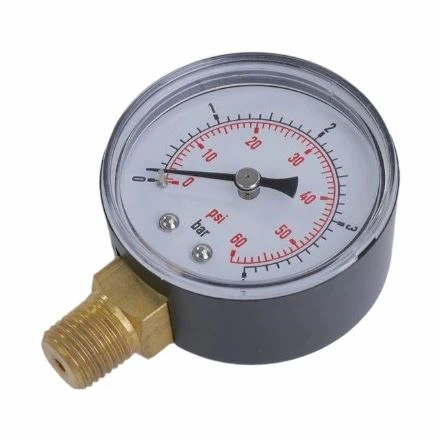
The orientation in which a gauge is mounted can have a significant impact on its accuracy. Most gauges are designed to be mounted in a specific position, typically vertically or horizontally. Mounting a gauge in the wrong orientation can cause the internal components to operate under abnormal conditions, leading to inaccurate readings. It's important to follow the manufacturer's instructions regarding the correct mounting orientation for the gauge.

Pipe Fittings and Connections
The quality of the pipe fittings and connections used to install a gauge can also affect its accuracy. Leaky or loose connections can cause pressure drops or fluctuations, leading to inaccurate readings. It's crucial to use high-quality pipe fittings and ensure that they are properly tightened to prevent leaks. Additionally, the size and type of the pipe fittings should be compatible with the gauge to ensure proper flow and pressure measurement.
Location
The location where a gauge is installed can also impact its accuracy. Gauges should be installed in a location that is easily accessible for maintenance and inspection, away from sources of heat, vibration, and electromagnetic interference. Additionally, the gauge should be installed in a position where it can accurately measure the pressure of the natural gas in the system. For example, installing a gauge too close to a valve or a bend in the pipe can cause turbulence and inaccurate readings.
3. Gauge Design and Construction
The design and construction of a low pressure natural gas gauge can also affect its accuracy. Different types of gauges have different levels of accuracy and precision, depending on their design and the quality of their components.
Sensor Technology
The type of sensor used in a gauge can have a significant impact on its accuracy. There are several types of sensors available for measuring low pressure natural gas, including mechanical sensors, electronic sensors, and optical sensors. Each type of sensor has its own advantages and disadvantages in terms of accuracy, reliability, and cost. For example, mechanical sensors are generally more robust and less expensive than electronic sensors, but they may have lower accuracy and precision. Electronic sensors, on the other hand, offer higher accuracy and precision, but they may be more sensitive to environmental conditions and require more maintenance.
Quality of Components
The quality of the components used in a gauge can also affect its accuracy. High-quality components, such as precision machined parts and reliable sensors, are more likely to provide accurate and consistent readings over time. Cheaper gauges may use lower-quality components, which can lead to inaccurate readings and premature failure. When choosing a gauge, it's important to consider the reputation of the manufacturer and the quality of the components used in the gauge.
Calibration
Regular calibration is essential to ensure the accuracy of a low pressure natural gas gauge. Over time, the internal components of a gauge can wear out or become misaligned, leading to inaccurate readings. Calibration involves comparing the readings of a gauge to a known standard and adjusting the gauge as necessary to ensure its accuracy. Most gauges should be calibrated at least once a year, or more frequently if they are used in critical applications or exposed to harsh environmental conditions.
4. Maintenance and Care
Proper maintenance and care are essential to ensure the long-term accuracy and reliability of a low pressure natural gas gauge.
Regular Inspection
Regular inspection of a gauge can help detect any signs of wear, damage, or malfunction. Inspections should include checking the gauge for leaks, loose connections, and signs of corrosion or damage to the housing and internal components. Additionally, the gauge's display and controls should be checked to ensure that they are functioning properly.
Cleaning
Cleaning a gauge regularly can help prevent the buildup of dirt, dust, and debris, which can affect its accuracy. Gauges should be cleaned using a soft, dry cloth or a mild cleaning solution. Avoid using abrasive cleaners or solvents, as these can damage the gauge's housing and internal components.
Replacement of Components
Over time, the internal components of a gauge may wear out or become damaged, requiring replacement. It's important to use genuine replacement components from the manufacturer to ensure the continued accuracy and reliability of the gauge. Additionally, replacement components should be installed by a qualified technician to ensure proper installation and calibration.
Conclusion
In conclusion, the accuracy of a low pressure natural gas gauge can be affected by a variety of factors, including environmental conditions, installation and mounting, gauge design and construction, and maintenance and care. By understanding these factors and taking appropriate measures to address them, you can ensure the accuracy and reliability of your low pressure natural gas gauges.
At our company, we offer a wide range of high-quality low pressure natural gas gauges, including the 2" Plastic General Pressure Gauge, the 1.5" Water Pressure General Pressure Gauge, and the Steel Chrome Plated Presssure Gauge. Our gauges are designed to provide accurate and reliable pressure measurements in a variety of applications. If you have any questions or need assistance in choosing the right gauge for your needs, please don't hesitate to contact us. We're here to help you ensure the accuracy and safety of your natural gas systems.
References
- ASME B40.100 - Pressure Gauges and Gauge Attachments
- ISO 228-1 - Pipe Threads where Pressure-tight Joints are not Made on the Threads
- API 526 - Flanged Steel Pressure Relief Valves


