


Interpreting data from a medical equipment pressure gauge is a crucial skill in the healthcare industry. As a supplier of Medical Equipment Pressure Gauges, I've witnessed firsthand the importance of accurate pressure measurement and interpretation in various medical applications. In this blog, I'll share insights on how to make sense of the data presented by these gauges, ensuring optimal patient care and equipment performance.
Understanding the Basics of Medical Pressure Gauges
Medical pressure gauges are precision instruments designed to measure the pressure of gases or liquids in medical equipment. They come in different types, each tailored to specific applications. For instance, the Medical Use Pressure Gauge is a versatile tool used in a wide range of medical devices, from anesthesia machines to oxygen concentrators. The Balloon Inflation Pressure Gauge is specifically designed for procedures involving balloon catheters, where precise pressure control is essential. And the General Medical Pressure Gauge is a more general-purpose gauge used in various medical settings.

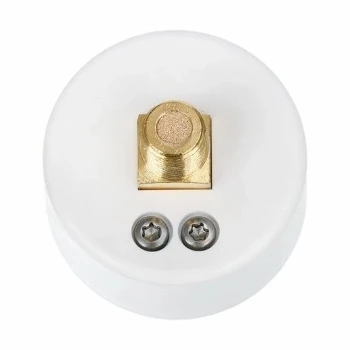
These gauges typically display pressure readings in units such as pounds per square inch (psi), millimeters of mercury (mmHg), or kilopascals (kPa). It's important to understand the unit of measurement used by the gauge and how it relates to the specific medical application. For example, in blood pressure measurement, mmHg is the standard unit, while in some respiratory equipment, kPa may be used.
Reading the Pressure Gauge
Reading a medical pressure gauge is relatively straightforward, but it requires attention to detail. Most gauges have a dial with a needle that points to the current pressure reading. The dial is marked with graduations that indicate the pressure values. Some gauges may also have additional markings or color-coded zones to indicate normal, high, or low pressure ranges.
To read the pressure accurately, you should position your eyes directly in front of the gauge to avoid parallax errors. Parallax errors occur when the position of your eyes causes the needle to appear to point to a different value than it actually does. Once you have a clear view of the needle, read the value at the point where the needle intersects the dial markings.
Interpreting the Pressure Data
Interpreting the pressure data from a medical equipment pressure gauge involves understanding the normal pressure ranges for the specific application and identifying any deviations from these ranges. Normal pressure ranges can vary depending on the type of medical equipment, the patient's condition, and the specific procedure being performed.
For example, in blood pressure measurement, a normal systolic blood pressure (the top number) is typically between 90 and 120 mmHg, and a normal diastolic blood pressure (the bottom number) is between 60 and 80 mmHg. If the blood pressure reading is consistently outside of these ranges, it may indicate a health problem such as hypertension (high blood pressure) or hypotension (low blood pressure).
In respiratory equipment, the normal pressure ranges for inhalation and exhalation can vary depending on the patient's age, size, and lung function. For example, in a ventilator, the peak inspiratory pressure (PIP) should typically be between 15 and 25 cmH₂O, while the positive end-expiratory pressure (PEEP) should be between 5 and 10 cmH₂O. If the pressure readings are outside of these ranges, it may indicate a problem with the ventilator settings, the patient's airway, or the patient's lung function.
Factors Affecting Pressure Readings
Several factors can affect the pressure readings from a medical equipment pressure gauge. These factors include:
- Equipment Malfunction: A faulty pressure gauge or other components of the medical equipment can cause inaccurate pressure readings. Regular maintenance and calibration of the equipment are essential to ensure accurate pressure measurement.
- Patient Movement: Patient movement can cause fluctuations in the pressure readings, especially in equipment that is directly connected to the patient, such as blood pressure cuffs or respiratory masks. It's important to ensure that the patient is as still as possible during the measurement to obtain accurate readings.
- Environmental Conditions: Changes in temperature, humidity, and altitude can affect the pressure readings. For example, at high altitudes, the atmospheric pressure is lower, which can cause the pressure readings to be lower than normal. It's important to take these environmental factors into account when interpreting the pressure data.
- Fluid or Gas Leaks: Leaks in the tubing or connections of the medical equipment can cause the pressure readings to be inaccurate. It's important to check for leaks regularly and repair them as soon as possible.
Troubleshooting Pressure Gauge Issues
If you encounter problems with the pressure readings from a medical equipment pressure gauge, there are several steps you can take to troubleshoot the issue. These steps include:
- Check the Equipment: Inspect the pressure gauge and other components of the medical equipment for any signs of damage or malfunction. Make sure that all the connections are secure and that there are no leaks.
- Calibrate the Gauge: If the pressure readings are consistently inaccurate, it may be necessary to calibrate the pressure gauge. Calibration involves adjusting the gauge to ensure that it provides accurate readings. Most medical equipment pressure gauges require periodic calibration to maintain accuracy.
- Consult the Manufacturer's Instructions: The manufacturer's instructions for the medical equipment can provide valuable information on how to troubleshoot pressure gauge issues. Make sure to read the instructions carefully and follow the recommended procedures.
- Seek Professional Help: If you are unable to resolve the pressure gauge issue on your own, it's important to seek professional help. A qualified medical equipment technician or healthcare provider can help you diagnose and fix the problem.
Importance of Accurate Pressure Interpretation
Accurate pressure interpretation is essential for ensuring the safety and effectiveness of medical equipment and for providing optimal patient care. Incorrect pressure readings can lead to misdiagnosis, improper treatment, and even patient harm. For example, if a blood pressure reading is misinterpreted, a patient may be incorrectly diagnosed with hypertension or hypotension and receive inappropriate treatment.
In addition, accurate pressure interpretation is important for maintaining the performance and longevity of medical equipment. If the pressure readings are outside of the normal ranges, it may indicate a problem with the equipment that needs to be addressed. Ignoring these issues can lead to equipment failure, which can be costly to repair or replace.
Conclusion
Interpreting the data from a medical equipment pressure gauge is a critical skill in the healthcare industry. By understanding the basics of medical pressure gauges, reading the pressure accurately, interpreting the pressure data, and troubleshooting any issues that arise, healthcare providers can ensure the safety and effectiveness of medical equipment and provide optimal patient care.
As a supplier of Medical Equipment Pressure Gauges, I'm committed to providing high-quality gauges that are accurate, reliable, and easy to use. If you're in the market for medical equipment pressure gauges or have any questions about pressure gauge interpretation, I encourage you to contact me to discuss your specific needs. I look forward to working with you to ensure the success of your medical applications.


